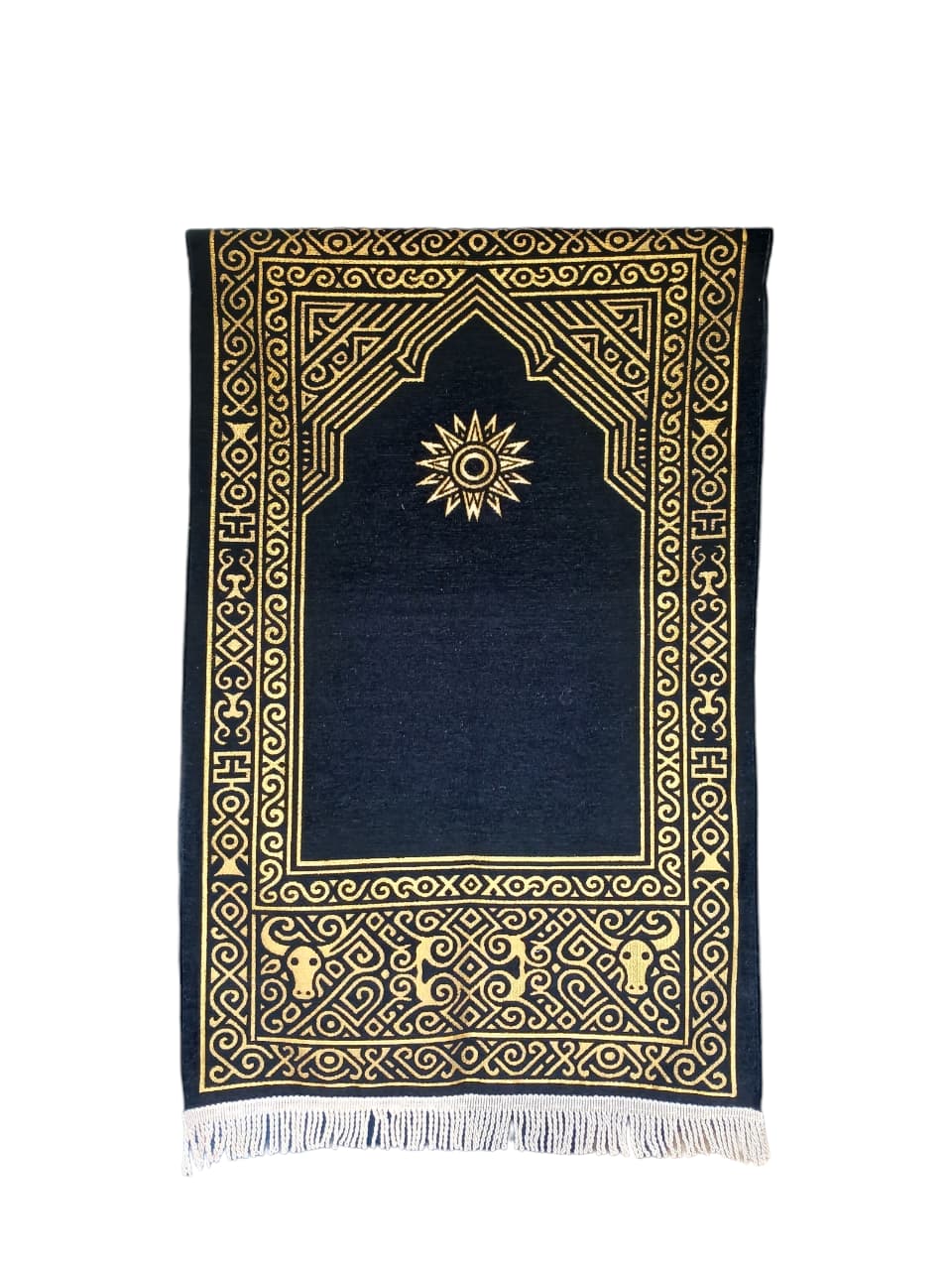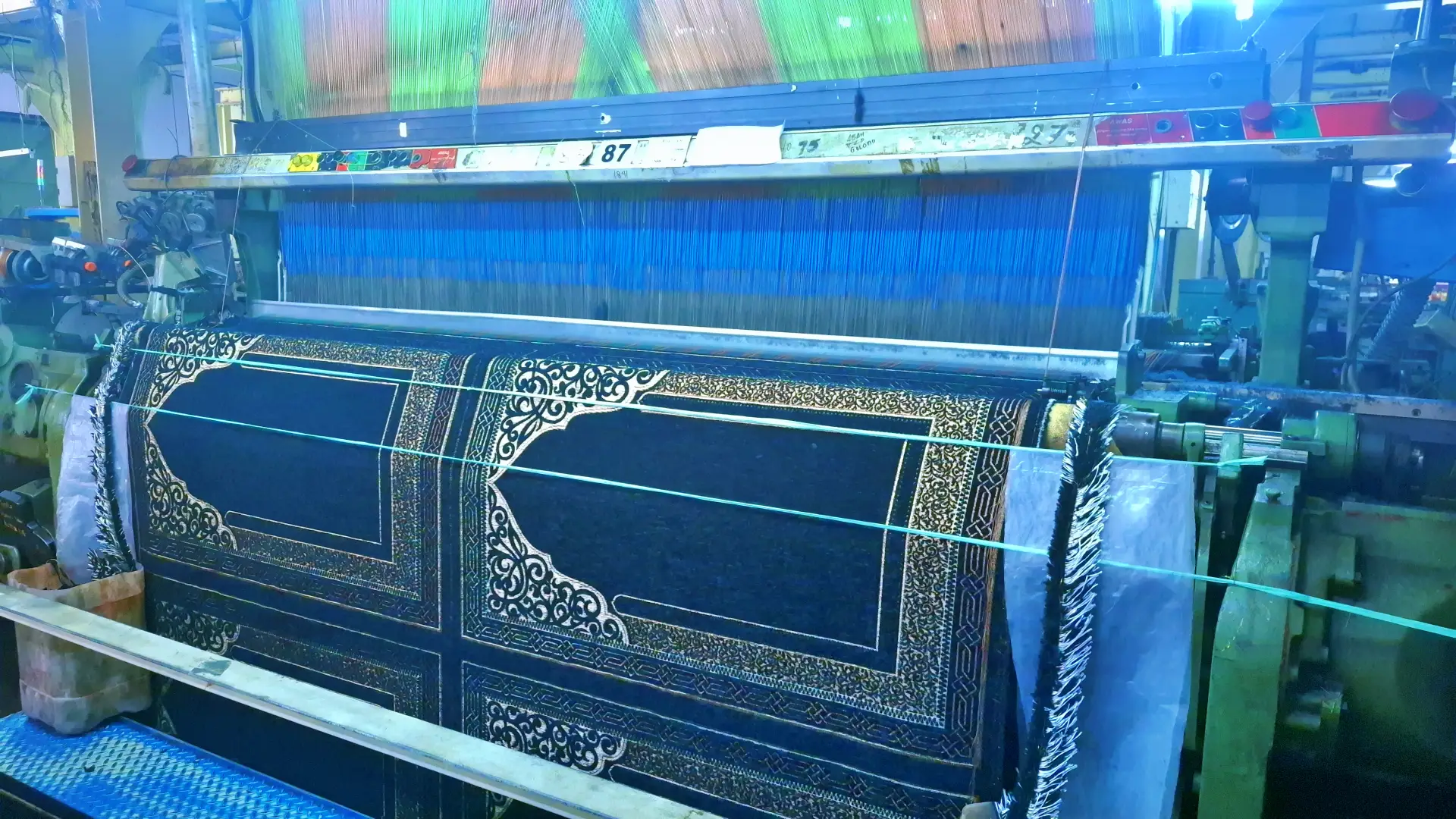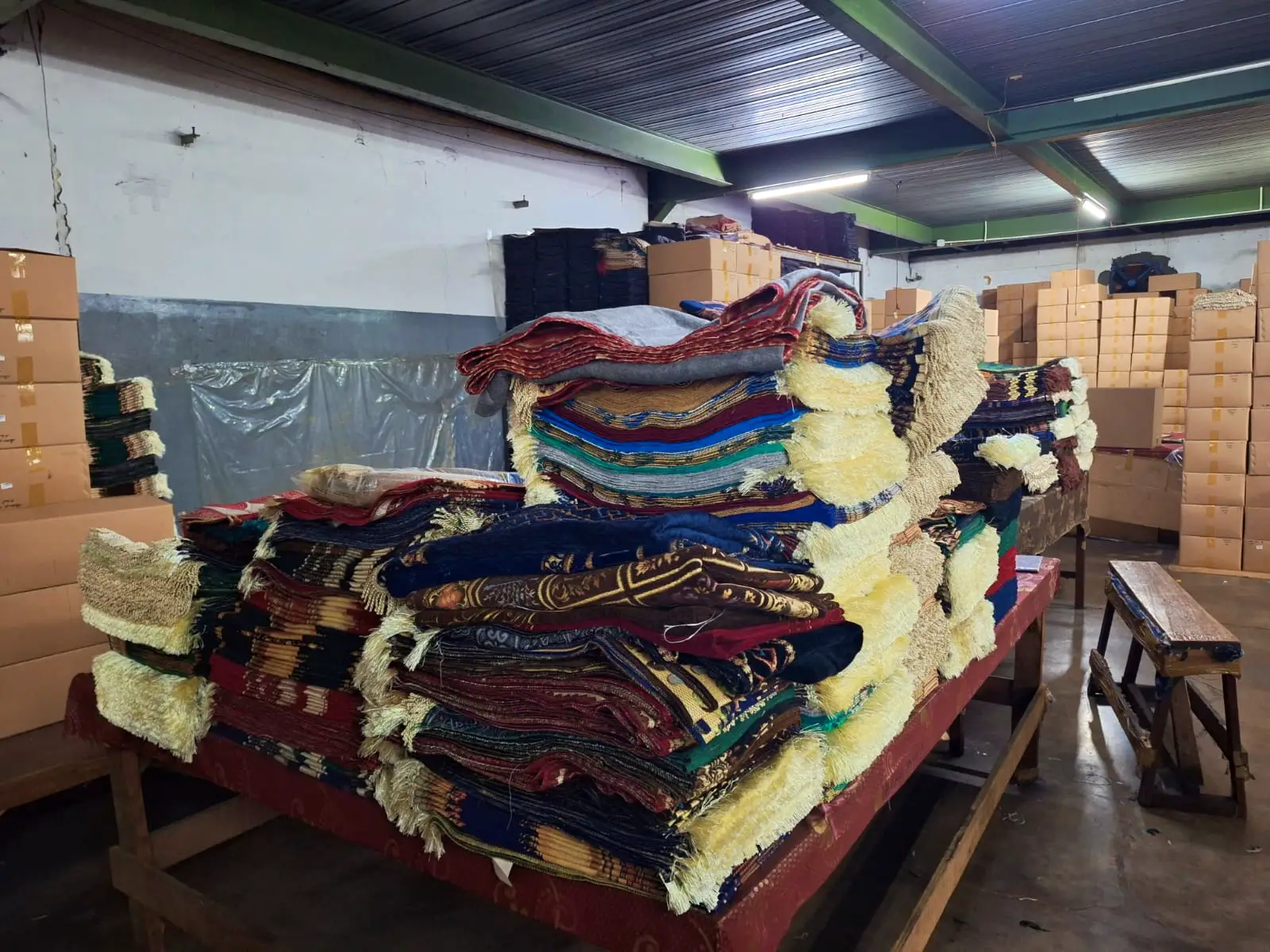
Prayer Rug Shipping: FOB vs CIF vs EXW and Container Loading
FOB, CIF or EXW for prayer rugs from Indonesia? Who pays, who carries the risk, how containers are sized, and…

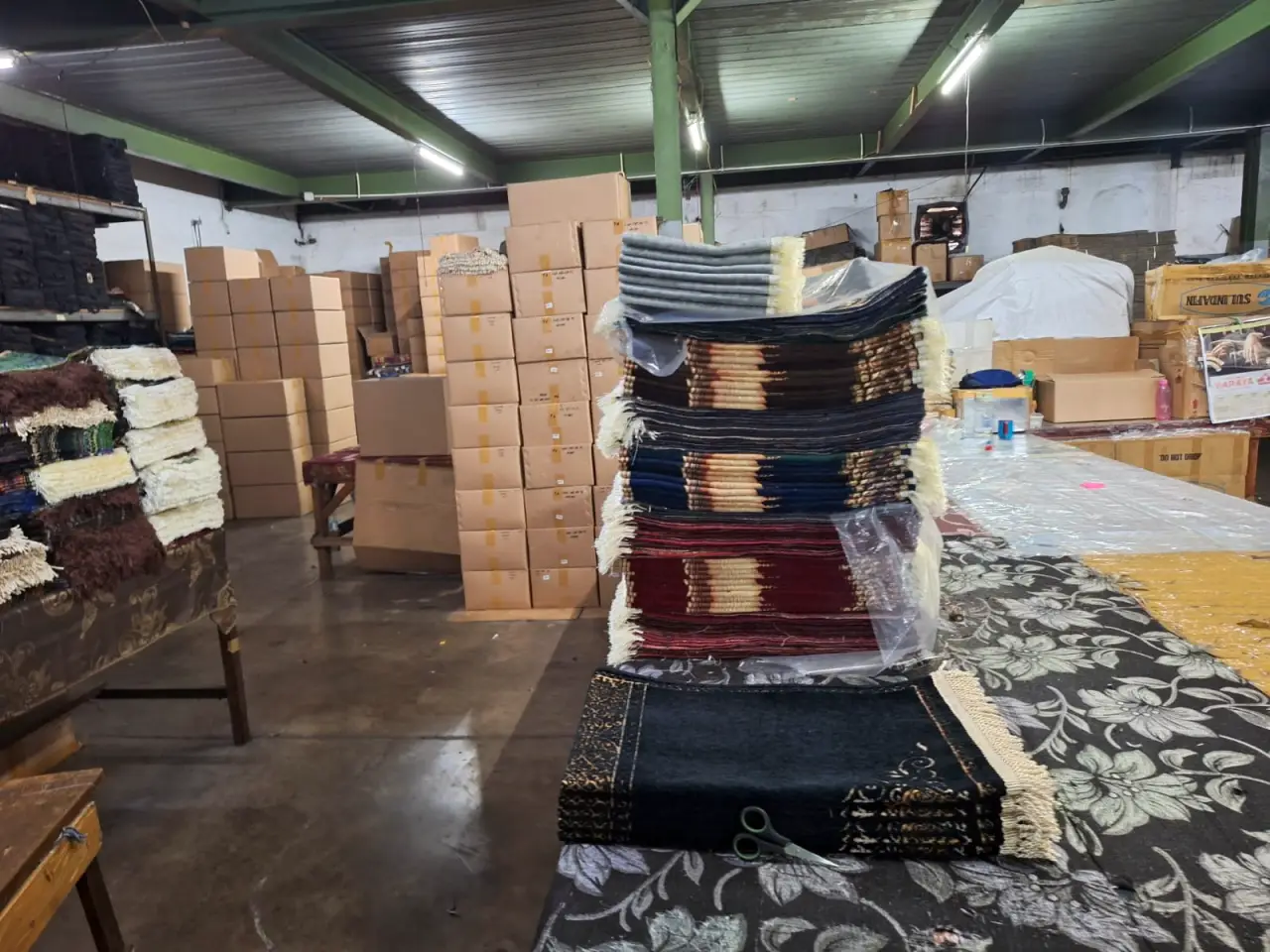
A sample is where a prayer rug order is won or lost. It’s the one point where you and the factory agree, physically, on what “good” means. Everything after it, from bulk production to the final inspection, gets measured against that piece.
This guide walks through a sample round from the buyer’s side: which sample stages exist in textile sourcing, what to put in your brief, what to check when the sample arrives, and how to approve it so the approval actually protects you. It’s part of our wholesale prayer rug sourcing guide.
A sample round answers three questions before you commit to volume: does the product look and feel the way you expect, does it meet your market’s requirements (size, labeling, packaging), and can the factory reproduce it consistently. A photo can answer the first question only partly, and a data sheet answers none of them on its own.
Names and stages vary between factories, and not every order needs every one. These are the terms used across textile sourcing generally:
Ask the factory which of these apply to your order. A simple restock of an existing design may need one round. A new custom motif in a new colorway may need several.
The clearer the brief, the fewer rounds you’ll need. Cover these points in writing:
Check the sample against your brief, not against your impression of it. A short list:
An approval that lives only in a chat message is easy to remember differently later. A safer routine:
Expect corrections to cost time. One supplier-side guide notes that a second or third submission restarts the full timeline instead of adding a small increment, and that unclear approval authority on the buyer side adds delay. Decide who signs off before the sample is ordered.
Bulk production starts only after you approve the sample, and finished goods are then checked against it. That’s how we run it, and it’s the same process described on our how to order page. For how checking works before packing, see our quality control and export packing process.
Before the order ships, ask for photos of the finished goods next to the approved sample. If something differs, it’s far cheaper to find out before the container is loaded than after it arrives.
Sample terms depend on the design, the material and where the sample is going, so we confirm them for each project instead of publishing one fixed rule. Ask our team on WhatsApp for the sample cost, timing and shipping for the rug you have in mind. Our wholesale FAQ covers general order terms.
We strongly recommend it. A physical sample is the only reliable way to judge feel, colour and construction, and it becomes the benchmark for the bulk order.
Yes. Send your artwork or a reference, plus the points in the brief above, and we’ll tell you what’s feasible. For private-label and OEM programs, see our private label prayer rug manufacturing page.
It depends on how new the design is. A repeat of an existing design may need one round. A new motif or colorway often needs more. A clear brief and a single decision-maker on your side shorten the process.
That’s the reason to keep a written approval and a matching reference piece. Compare finished goods with the sample before shipping, and raise any difference immediately.
Planning a first order and want to start with a sample? Tell us your design, market and quantity range, and we’ll talk you through the next steps. Message our team on WhatsApp.
The sample stages above describe general textile sourcing practice and are not a fixed Sakakriya procedure. Last checked: 23 November 2026.
Sources: Racklify, “Lab Dip Versus Strike-Off: When To Use Each Sample Type”; CottonWorks, “Lab Dip Process”; Jing Sourcing, “PP Samples: Your Ticket to Product Perfection”.
This article is part of our complete guide: Wholesale Prayer Rugs: The Complete B2B Sourcing Guide.